
RoIP gateways connect your radio network.
The gateways connect your analog, DMR, TETRA, NEXEDGE and P25 infrastructure to Respondr, without replacing the radio fleet or rebuilding the existing installation.
Supported gateways and base stations
The table shows the radio networks each gateway connects to Respondr and whether the gateway works with the standalone console or only with the server.
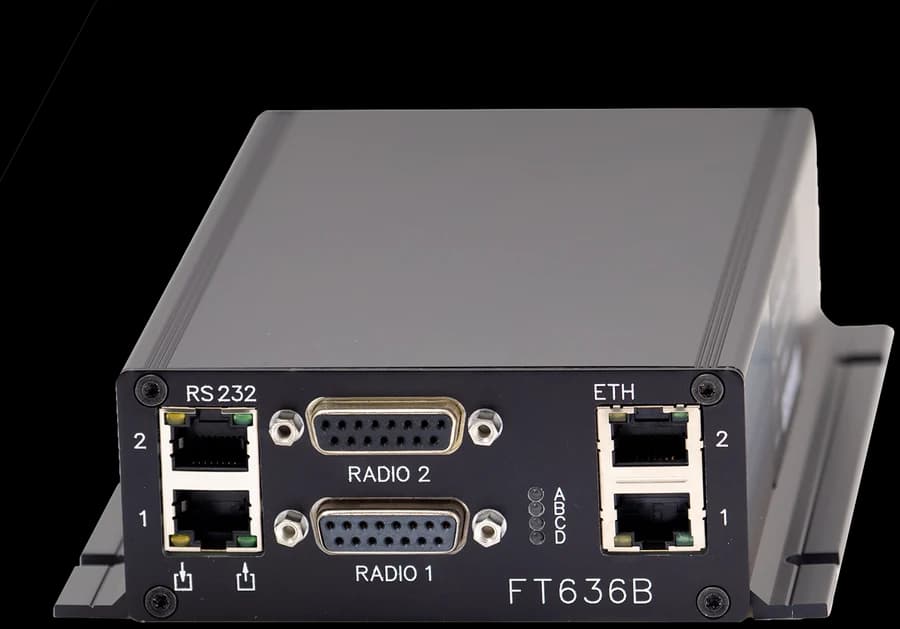
FT636B
FunkTronic, RoIP gateway
- Radio networks
- Analog VHF/UHF
- Works with
- Standalone console and Respondr server
FT638
FunkTronic, RoIP gateway
- Radio networks
- DMR Tier I, II, III
- TETRA
- Works with
- Standalone console and Respondr server
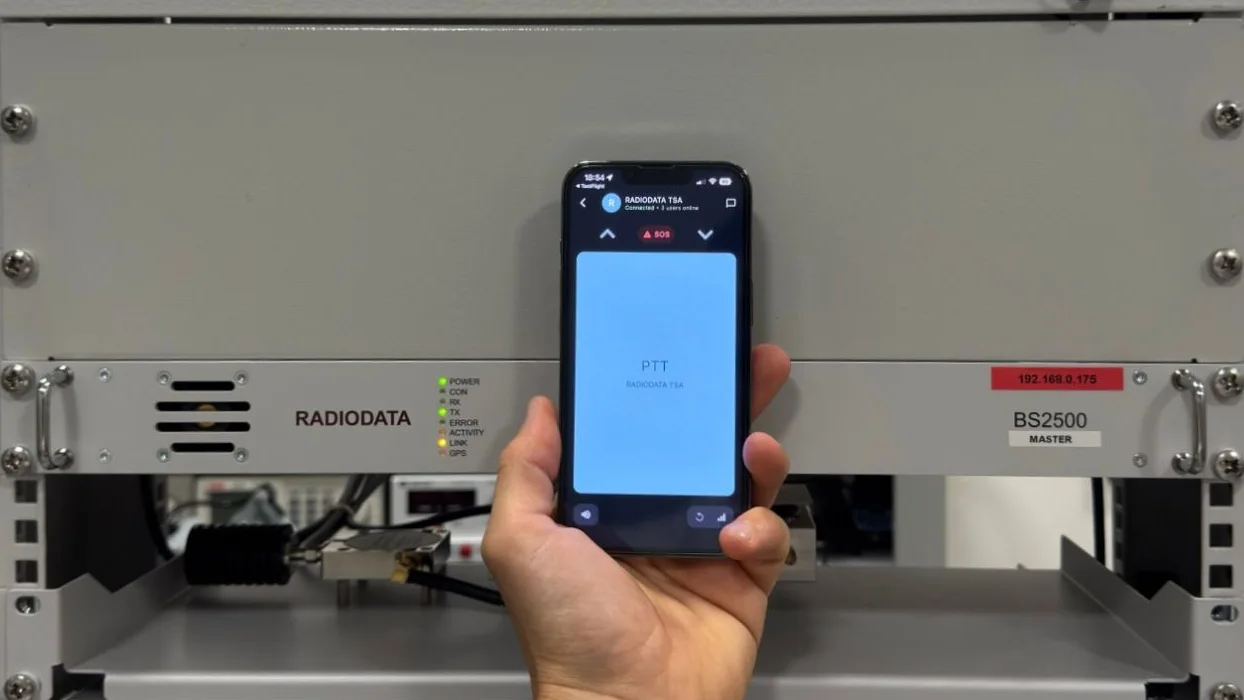
BS2500
Radio Data, Base station
- Radio networks
- Analog VHF/UHF
- DMR Tier II, III
- Works with
- Respondr server only
RSP-Z2, ACU-Z1, STR-Z3
JPS, RoIP gateway
- Radio networks
- Analog VHF/UHF
- P25
- Works with
- Respondr server only
NXR-1000
Kenwood, Base station
- Radio networks
- Analog VHF/UHF
- DMR Tier II
- NEXEDGE
- Works with
- Respondr server only
Kairos
Radio Activity, Base station
- Radio networks
- Analog VHF/UHF
- DMR Tier II, III
- Works with
- Respondr server only
RA
Radio Activity, Base station
- Radio networks
- Analog VHF/UHF
- DMR Tier II
- Works with
- Respondr server only
TG660
Becker Avionics, Base station
- Radio networks
- Aeronautical VHF
- Works with
- Standalone console and Respondr server
Multiple radio networks on one platform.
You can connect analog VHF/UHF radio networks, including maritime and aeronautical VHF, with DMR, TETRA, NEXEDGE and P25 digital radio networks.

Donor radio or direct IP.
You can install the gateway quickly through a donor radio, or connect it directly over IP to master and remote base stations, depending on the site.

The gateways have built-in redundancy.
The FT636B and FT638 gateways have two LAN ports: you can connect them to two separate networks. If one network fails, the gateway stays connected through the other. If a link drops, Respondr restores it by itself within a few seconds.
All the technologies the gateways support
The gateways connect the analog and digital radio networks you already have to Respondr, without replacing your radios.
Analog VHF / UHF
Maritime and aeronautical VHF
DMR
TETRA
NEXEDGE / NXDN
P25
Radio over IP: the protocols Respondr uses
Radio over IP (RoIP) means carrying the voice and signaling of a radio network over an IP network. These are the protocols Respondr uses to communicate with the gateways.
RTP over UDP
Control over TCP
RoIP+
Shared key
G.711 toward the radios
Opus toward the app
Frequently asked questions
A RoIP (radio over IP) gateway connects a radio network to an IP network. It turns the radio audio and call signaling into IP packets, so the Respondr server can deliver them to smartphones, consoles and other radio networks, and it does the reverse for the voice to be transmitted on the radio network.
No. The gateways connect your existing analog, DMR, TETRA, NEXEDGE and P25 infrastructure to Respondr: the radios keep working exactly as they do today.
FT636B and FT638 gateways can keep a second link over a separate network, so a single failed path does not take the bridge down. Respondr also re-checks every gateway link about every 10 seconds and restores it by itself.
We’ll show you Respondr in a live demo.
We offer a 30-minute live demo built around your radio infrastructure.